Every house begins with a single voice.
This one began with hers.
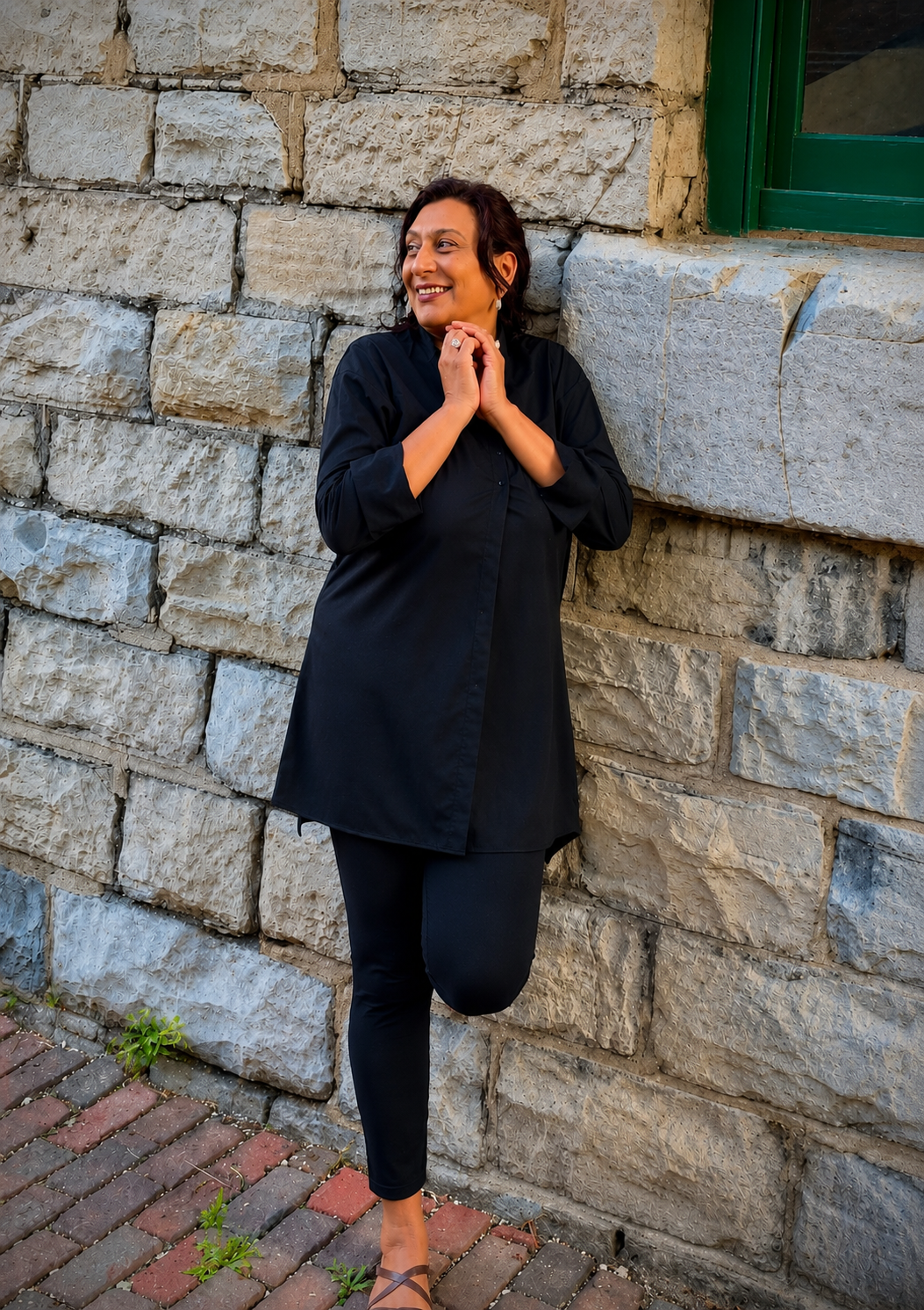
People rarely come to me for an answer. They come because a question has grown too heavy to keep carrying alone, and they would like to set it on the table for an hour and look at it with someone else in the room.
And almost always, they already know. The answer has been sitting in them for months sometimes years. What they are short of is not information. It is permission to admit they have heard themselves.
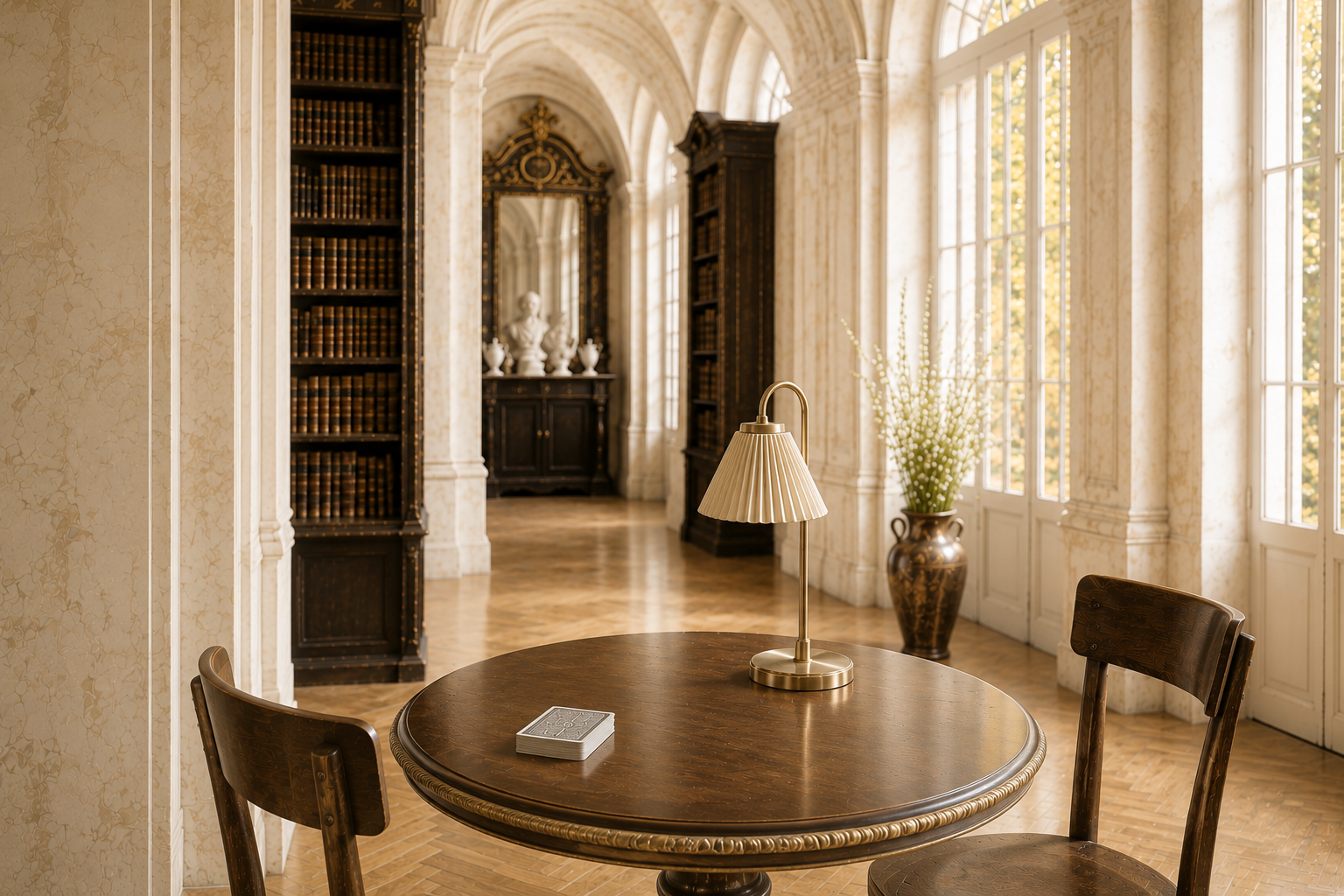
People ask me what the cards know, the Lenormand, the Tarot, the deck this House is making. The honest answer is nothing. They know nothing of your future, and I would be wary of anyone who told you otherwise.

What a card does is older, and stranger, than prediction. A question you carry inside you is almost impossible to see it is pressed too close against the eye. Lay a card beside it and the question takes on an edge, a figure, a weather of its own. Something outside yourself you can finally point to and say: there that is the part I have not been able to face.
The card does not answer the question. It gives it a body, so that for once you can meet it instead of carry it. That is why I am so slow, and so particular, about the images the House puts on its cards: the right one will hold what a sentence lets slip.
The hardest thing this work has taught me is to keep my own advice to myself.
Advice is the easy kindness. It lets the one giving it feel useful, and leaves the other person exactly as unsure of themselves as before. A long time ago I decided I would never hand anyone a verdict. I would help them see the thing clearly and then I would trust them, completely, with what they chose to do about it.
That trust is the whole of the work. Everything else is just the cards.
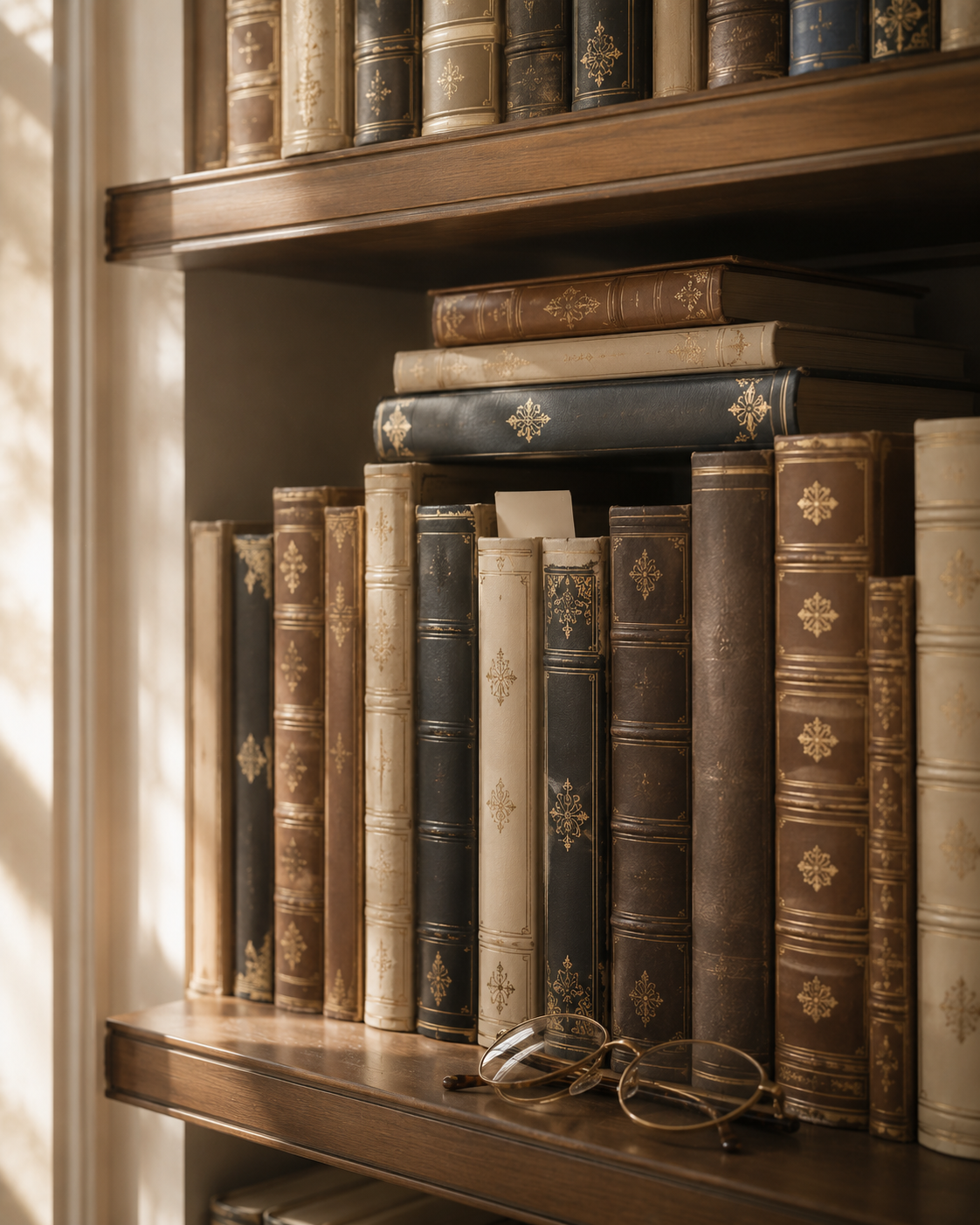
I have read widely, and in very different rooms Jung and Gurdjieff in one; Vivekananda and Krishnamurti in another; Rumi and Hafiz, who sang it; Idries Shah, who said it plainly; and the shamanic traditions that never wrote it down at all. What kept me reading for forty-five years was a single astonishment that has never worn off: they are all describing the same few truths.
The same handful of figures rises in every culture, on every continent, wearing different clothes. Once you have seen that, you can no longer read a card as a trick of fortune. You are reading something very old something human beings have always recognised in one another.
Away from the table, my life is quiet. I cook slowly. I listen to the classical music of India, which is built, like a reading, on patient attention to a single unfolding thing. I walk a long way into forests to reach the streams and springs that are hard to find, and I get into the water.

And I read. I would cross the world to sit in its oldest libraries, and one day I intend to.
None of this is apart from the work. It is the same attention, turned on my own life.
I want you to know that I am still asking all of this. The reading mostly taught me how much stays unsettled. I did not build the House because I had found the answers and wanted to show you where they were kept. I built it because the questions never loosened their hold on me, and a life spent inside them seemed worth giving a room to.
If a question of your own ever grows too heavy the kind that will not fit neatly into a day you will know where the table is.
There is no hurry. A question worth asking has always been willing to wait for you.